November 23, 2026
Metal roofs offer long-term durability and protection, but maintaining their condition requires consistent attention. From routine inspections to seasonal upkeep, homeowners can take several steps to preserve their roofing systems. Understanding these maintenance practices helps prevent avoidable damage and supports lasting performance.
Understanding the Basics of Metal Roofs
Exploring Available Roofing Materials
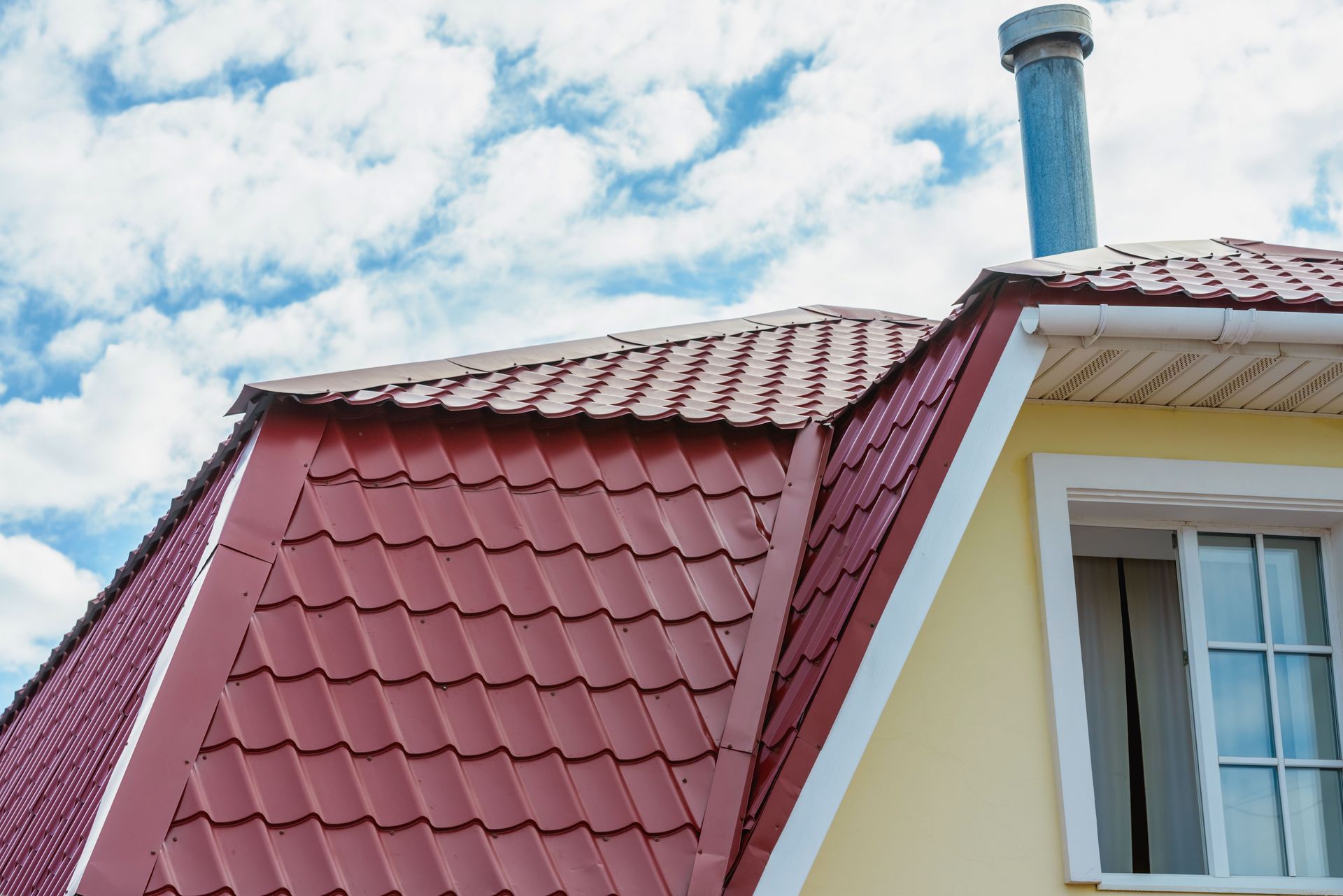
Metal roofs are available in several materials, each with different characteristics. Aluminum and steel are popular choices because of their strength, affordability, and resistance to environmental conditions. Aluminum naturally resists rust, making it suitable for areas with frequent moisture. Steel offers additional strength and often features protective coatings that help prevent corrosion. Copper and zinc provide distinctive appearances and impressive longevity, although they generally require a larger initial investment. These differences can influence the maintenance requirements of a metal roofing system.
According to This Old House, a metal roof lasts an average of 40 to 70 years. Material selection, installation quality, and maintenance practices all influence how long a roof performs effectively. Choosing an appropriate material for the property's location and environmental conditions can help homeowners protect their investment.
Recognizing Common Roofing Benefits and Challenges
Durability is one of the primary advantages of metal roofs. These systems resist many problems associated with traditional roofing materials, including rot, insect damage, and fire. Their reflective surfaces can also reduce solar heat absorption, potentially lowering cooling costs. Additionally, homeowners can choose from various colors, finishes, and profiles to complement their property's architectural style. These features make metal roofing an appealing option for homeowners seeking lasting protection and design flexibility.
Despite these benefits, metal roofs require attention to potential problems. Temperature changes cause metal panels to expand and contract, which can gradually loosen fasteners or affect seams. Improper drainage may contribute to moisture problems, while damaged protective coatings can leave surfaces vulnerable to corrosion. Rain and hail may also create noticeable noise, particularly when insulation is insufficient.
Establishing a Regular Maintenance Routine
Scheduling Routine Inspections
Routine inspections help identify developing problems before they cause extensive damage. Homeowners should arrange inspections at least twice a year, preferably during spring and fall. Additional assessments following severe storms can reveal damage that might otherwise go unnoticed. Consistent inspections are especially important for preserving the condition of metal roofing over time.
Important areas to examine include roof panels, seams, fasteners, flashing, and connections around chimneys or skylights. Homeowners should also look for rust, discoloration, loose materials, or interior water stains. Keeping records of inspection dates and identified concerns makes it easier to monitor changes and plan future maintenance.
Cleaning Surfaces and Removing Debris
Dirt, leaves, branches, and other debris can accumulate on roofing surfaces throughout the year. When left unattended, these materials may interfere with drainage and contribute to moisture retention. Cleaning the roof and clearing gutters and downspouts helps water flow away from the property.
Homes surrounded by trees may require more frequent debris removal, particularly during autumn. When cleaning metal roofing, homeowners should use manufacturer-approved cleaning products and nonabrasive tools to avoid scratching protective finishes. Because working on a roof presents fall risks, hiring a professional for cleaning is often a safer option.
Addressing Minor Damage Promptly
Small roofing problems can develop into more extensive concerns when ignored. Loose fasteners, damaged sealant, scratches, and minor rust spots should be evaluated as soon as they are discovered. Even a small opening around a seam or fastener can allow moisture to enter the roofing system.
Some minor maintenance tasks may be manageable for experienced homeowners, but repairs involving panels, flashing, or structural components should generally be handled by qualified contractors. Using incompatible sealants or incorrect replacement fasteners can create additional problems. Professional assessments help determine appropriate repair methods and materials.
Following Preventative Maintenance Practices
Preventative maintenance involves addressing potential concerns before they interfere with roof performance. In addition to inspections and cleaning, homeowners should monitor protective coatings, drainage systems, and areas exposed to recurring moisture. Depending on the material and manufacturer's recommendations, periodic coating maintenance may help preserve the roof's appearance and protective qualities.
Establishing a maintenance schedule makes these responsibilities easier to manage. Homeowners can track inspections, cleaning dates, and repairs to identify recurring issues. Consistent attention helps preserve the roofing system and may reduce unexpected repair expenses.
Managing Seasonal Weather Concerns
Preparing for Snow and Ice
Snow and ice can create additional maintenance concerns during winter. Although metal surfaces generally allow snow to slide off more easily than some other roofing materials, accumulated snow can still place stress on the roof. Snow guards may help control snow movement, reducing the risk of large amounts sliding onto walkways, landscaping, or entryways. Homeowners should consider these features when evaluating metal roofing needs in areas with regular snowfall.
Ice dams develop when heat escaping from the attic melts snow on the roof, allowing water to refreeze near the eaves. Proper attic insulation and ventilation help maintain consistent roof temperatures, reducing conditions that contribute to ice dams. Homeowners should avoid removing ice themselves from slippery surfaces and seek professional assistance when necessary.
Maintaining Proper Drainage During Heavy Rain
Heavy rainfall makes effective drainage especially important. Although properly installed metal panels and seams are designed to direct water away from the home, clogged gutters and downspouts can interfere with that process. Water may overflow or collect near roof edges, potentially contributing to moisture damage.
Homeowners should periodically check gutters for leaves, sediment, and other obstructions. They should also look for loose connections, damaged sections, and signs of water collecting around the foundation. Proper drainage protects the roof and other vulnerable parts of the property.
Inspecting for Hail and Wind Damage
Severe weather can affect even durable roofing systems. Hail may leave dents, damage protective coatings, or create other problems depending on the material and impact severity. After a hailstorm, homeowners should watch for visible changes and arrange a professional inspection if damage is suspected. Prompt attention can help preserve the protective qualities of metal roofing after severe weather.
Strong winds can affect panel attachments, flashing, and roof edges. Loose fasteners or compromised seams may allow wind-driven rain to enter the home. After significant storms, homeowners should look for displaced materials, damaged gutters, and interior moisture. Professional evaluations can help determine whether repairs are necessary and provide documentation for potential insurance claims.
Protecting Long-Term Roof Performance
Recognizing When Professional Service Is Needed
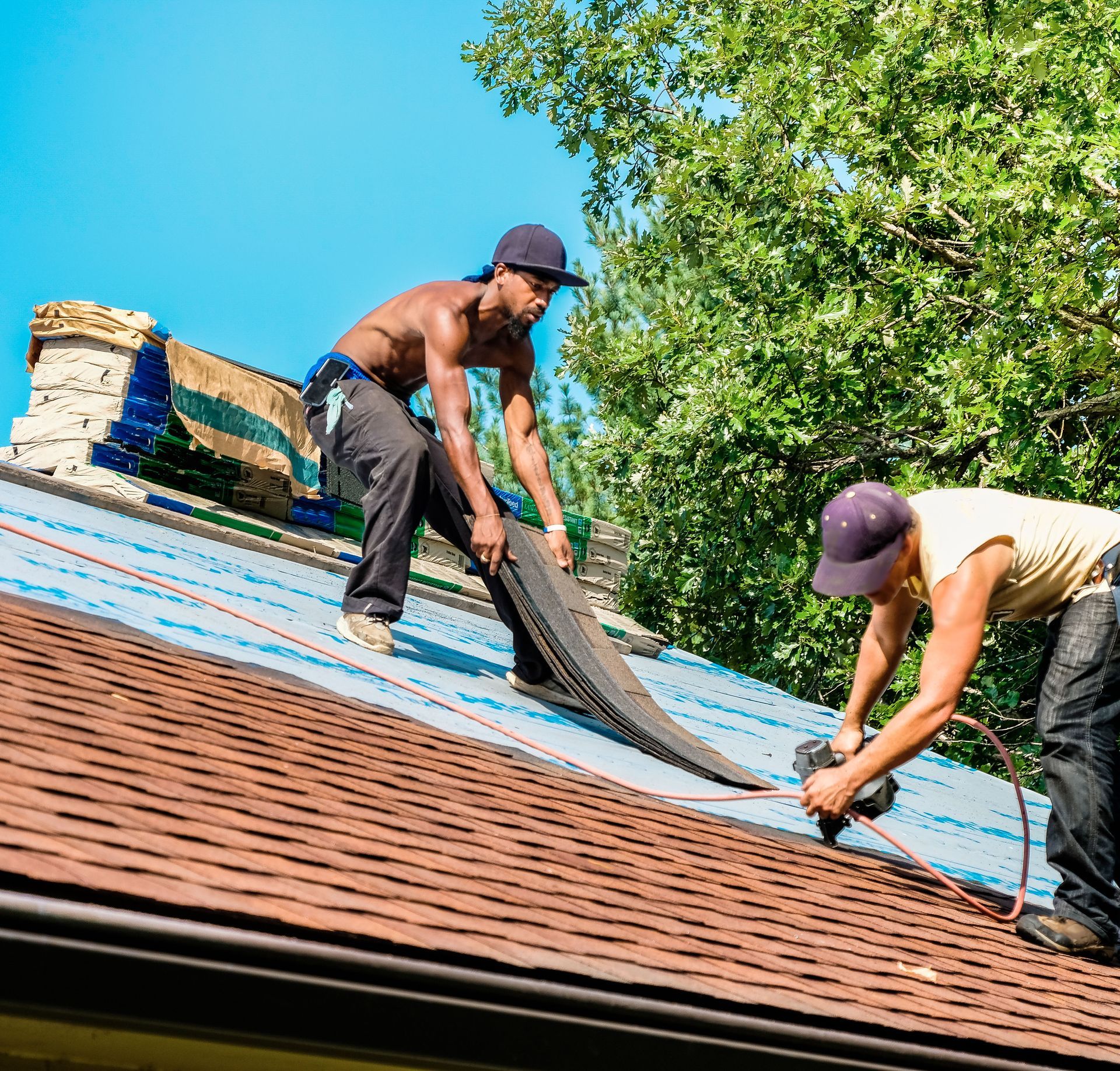
While homeowners can perform basic visual checks and debris removal, certain maintenance tasks require professional attention. Persistent leaks, widespread corrosion, loose panels, and damaged flashing should be evaluated by a qualified roofing contractor. Professionals can identify underlying problems, recommend appropriate repairs, and assess whether additional maintenance is needed.
Regular professional assessments are particularly valuable as a roof ages. Contractors can evaluate fasteners, seams, protective finishes, and drainage components to identify developing concerns. Addressing these issues promptly helps prevent problems that could affect the roofing system's performance.
Preserving the Roof Through Consistent Care
Maintaining a metal roof involves more than occasional cleaning. Routine inspections, debris removal, timely repairs, and seasonal preparation help protect its condition throughout the year. Homeowners should also follow manufacturer recommendations for cleaning products, coatings, and other maintenance requirements to avoid damaging roofing materials. A consistent approach to metal roofing maintenance supports its long-term functionality.
Although metal roofs are designed for long-term performance, their condition still depends on proper care and installation. Staying attentive to minor changes and seeking professional assistance when necessary can help preserve the roof's appearance, functionality, and durability.
Working With a Professional Roofing Contractor
Keeping a roof in good condition requires an understanding of its materials, installation details, and maintenance needs. Working with an experienced contractor gives homeowners access to professional assessments and appropriate repair recommendations. Whether addressing storm damage, investigating a leak, or arranging a routine inspection, professional service can help protect the property.
Homeowners looking for dependable roofing assistance can turn to Senger Roofing LLC for professional guidance and services. Contact the team to discuss your roof's condition, explore maintenance needs, and determine the appropriate next steps for protecting your home.