April 25, 2026
Solar energy has become one of the most practical and sustainable ways for homeowners to power their homes while lowering long-term utility costs. As energy prices continue to fluctuate and environmental awareness grows, many homeowners are turning to solar systems as a reliable solution for cleaner electricity generation. Installing solar panels is a significant home improvement project that requires careful planning, professional expertise, and coordination between several parties. Understanding how the process works can help homeowners feel confident and prepared before the installation begins.
Solar adoption continues to grow at a rapid pace across the United States. According to SEIA, over 1.1 GW of residential solar was installed in Q1 2025. This steady expansion reflects growing consumer interest in energy independence and renewable resources. When homeowners choose to install solar panels, they also rely heavily on the condition and design of their roofs, which is why working with experienced professionals is essential. A knowledgeable roofing company can help evaluate roof structure, ensure compatibility with solar equipment, and protect the integrity of your home throughout the process.
Assessing Your Property and Energy Goals
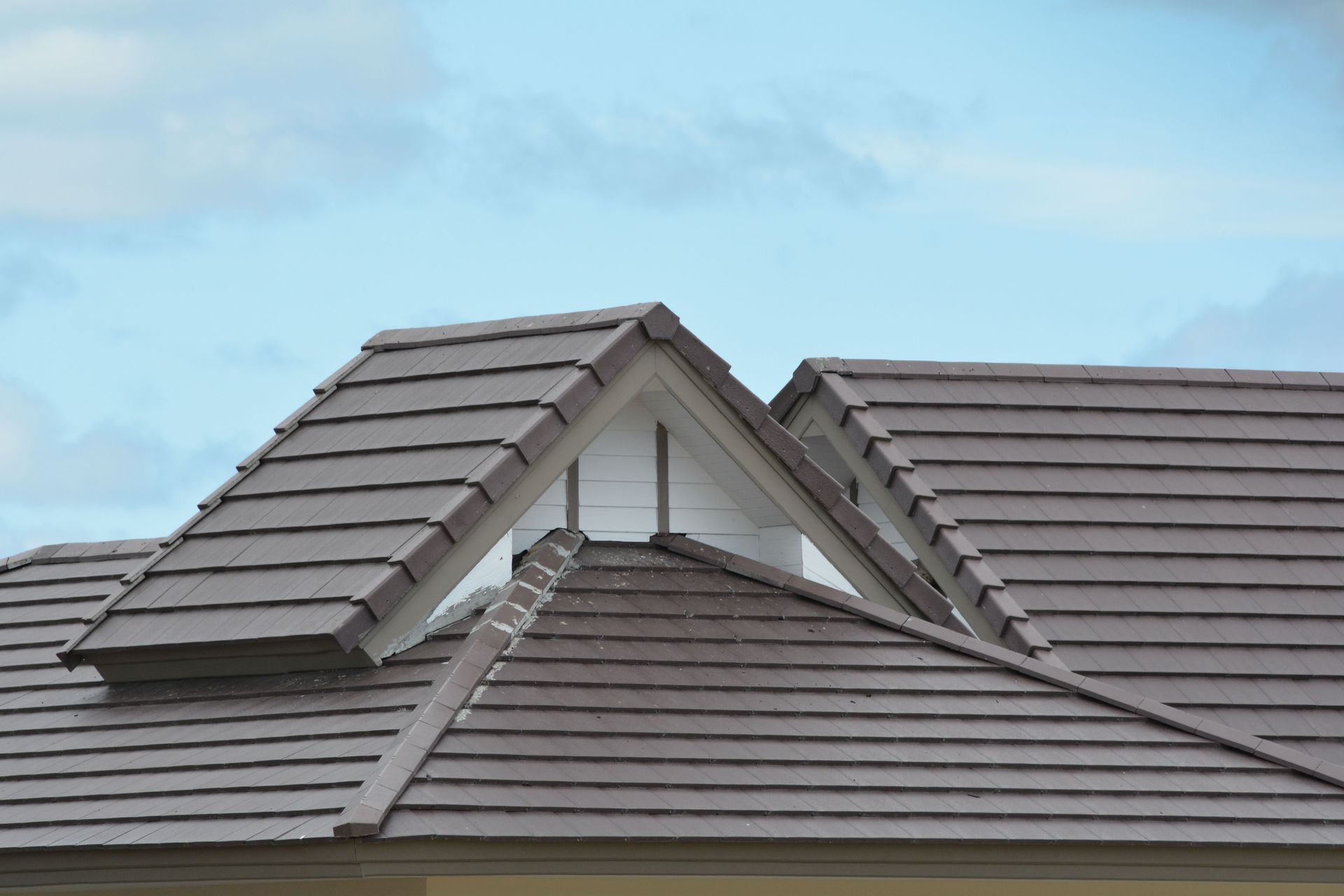
The solar installation journey typically begins with a detailed property assessment. Solar professionals evaluate your home's location, roof orientation, structural condition, and sunlight exposure to determine whether solar panels are a good fit. Because panels are mounted directly onto the roof in most residential systems, the roof's condition plays a major role in the project. During this stage, many homeowners consult with a roofing company to verify that shingles, flashing, and decking are in good shape before solar equipment is added. Addressing roof repairs beforehand prevents complications later and ensures the panels have a secure mounting surface.
Energy consumption is another important factor evaluated during this stage. Installers often review recent electricity bills to determine how much energy your household typically uses. This information helps determine the number of panels required to meet your energy goals. Some homeowners aim to offset only a portion of their electricity usage, while others design systems capable of covering nearly all of their needs. Evaluating both current and potential future energy usage helps ensure the solar system is designed appropriately.
Sunlight exposure is carefully analyzed to determine the most effective panel placement. Trees, nearby structures, and seasonal shading patterns are examined to ensure panels will receive adequate sunlight throughout the year. By evaluating these elements early in the planning process, installers can design a system that maximizes energy production while maintaining the safety and structure of your roof.
Securing Permits and Coordinating Approvals
Once the system design is finalized, the next step involves securing the permits required for installation. Local governments typically require building permits, electrical permits, and inspections before solar panels can be installed on a residential property. These permits ensure that the installation follows established safety standards and complies with local building codes. The paperwork can sometimes feel complex, but most solar contractors handle the majority of this process on behalf of the homeowner.
During this stage, coordination with utility providers also takes place. Solar systems that connect to the local electrical grid must meet specific requirements so that energy can flow safely between the home and the utility network. Many homeowners participate in net metering programs that allow them to send excess electricity back to the grid in exchange for energy credits. Proper coordination with the utility company ensures that the solar system integrates smoothly into the existing power infrastructure.
Homeowners' associations and neighborhood guidelines may also need to be considered before installation begins. Some communities have aesthetic rules or placement restrictions that influence where panels can be installed. Working with experienced installers and a reliable roofing company helps ensure the system design respects these guidelines while still delivering strong energy performance.
Preparing the Roof and Installation Site
Once permits are approved, the focus shifts to preparing the home for installation day. Proper preparation helps the installation crew work efficiently while protecting the structure of the roof and surrounding property. Installers typically inspect the roof one more time to confirm that it can support the weight of the solar panels and mounting hardware. If repairs or reinforcements are required, they are completed before installation begins.
Preparing the surrounding area is also important. Trees or branches that cast shade over the roof may need to be trimmed to improve sunlight exposure. Clearing obstacles around the property helps installers move equipment safely and efficiently during the installation process. This stage is also when mounting points are carefully measured and mapped out to ensure panels are placed in optimal positions for energy production.
Roof protection is a top priority during preparation. Professional installers coordinate with a roofing company when necessary to maintain proper flashing and waterproofing around mounting hardware. These steps ensure that the solar system does not compromise the roof's ability to protect the home from the weather. When preparation is handled carefully, homeowners can move forward with confidence knowing their roof remains secure.
Installing Solar Panels and Electrical Components
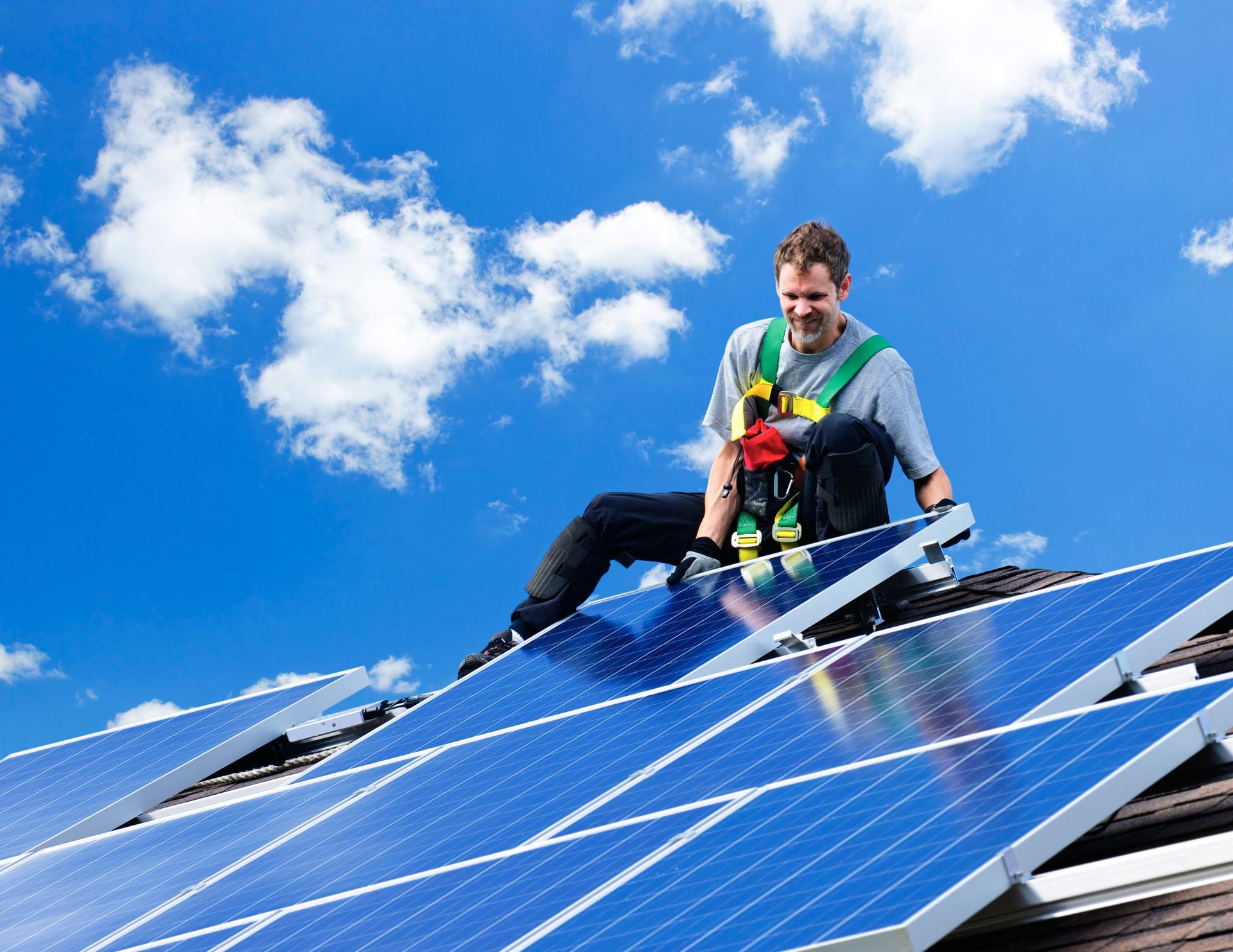
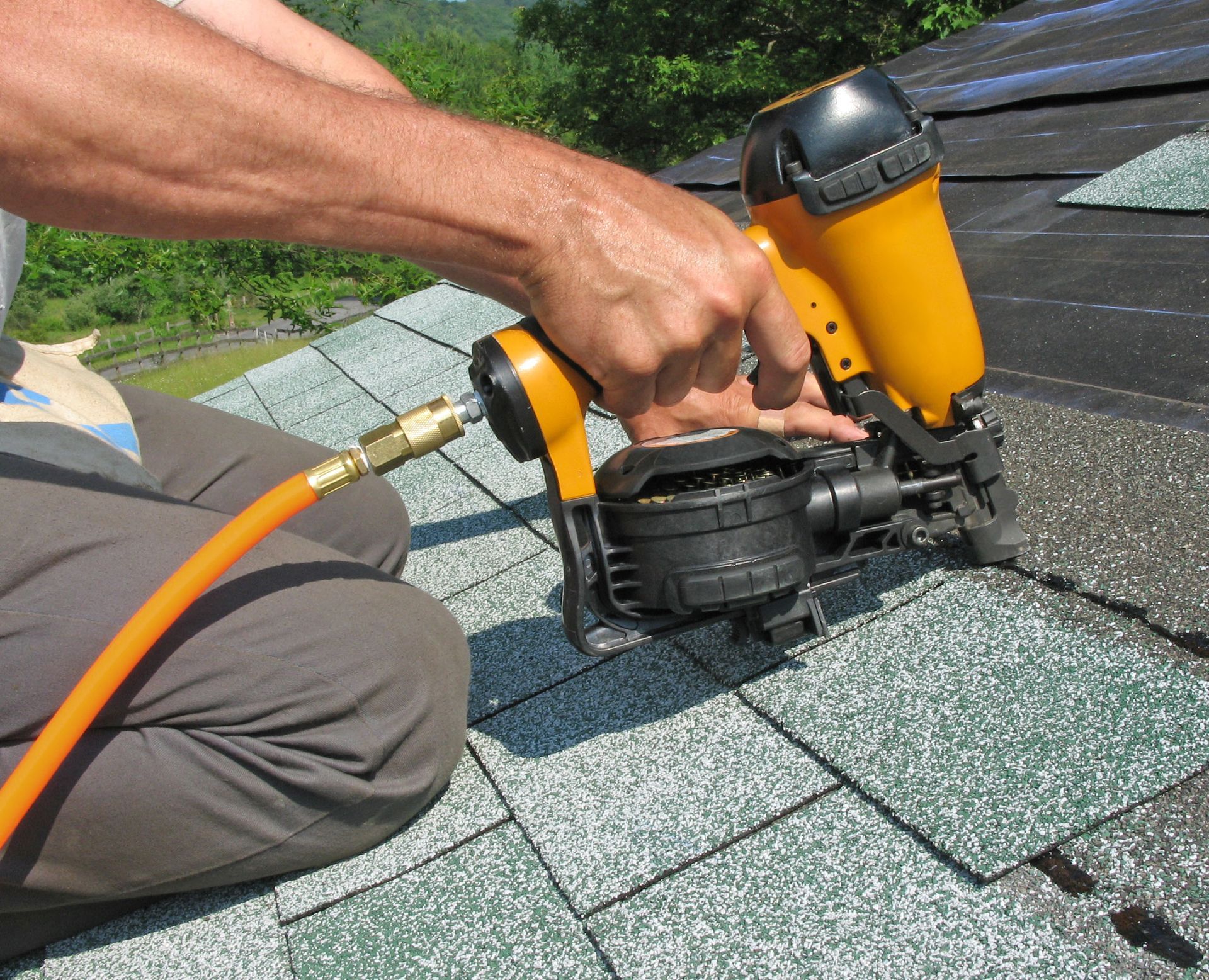
Installation day is often the most visible stage of the solar project. Crews begin by setting up safety equipment and staging the necessary materials around the property. Mounting brackets are installed first, securing the foundation that will hold the solar panels in place. These mounts are carefully attached to the roof structure while maintaining proper waterproofing methods to prevent leaks.
Once the mounting hardware is installed, the solar panels are positioned and secured. Each panel is connected through a series of electrical wires that lead to an inverter, which converts solar energy into usable electricity for the home. Inverters, monitoring systems, and electrical connections are installed and tested to ensure the system operates safely and efficiently. During this phase, coordination between electricians, installers, and the roofing company ensures that all components are integrated without compromising the roof structure.
After the physical installation is complete, the system undergoes testing and inspection. Local authorities or inspectors may review the installation to confirm it meets building and electrical codes. Once approved, the system can be connected to the grid and activated. At this point, homeowners begin generating their own renewable electricity directly from sunlight.
Maintaining Performance and Protecting the Roof
After installation is finished, maintaining the solar system becomes the next priority. Solar panels are designed to operate for decades with minimal maintenance, but occasional inspections help ensure the system continues performing efficiently. Monitoring tools allow homeowners to track energy production and identify potential issues quickly. When production levels change unexpectedly, technicians can evaluate the system to determine whether maintenance is needed.
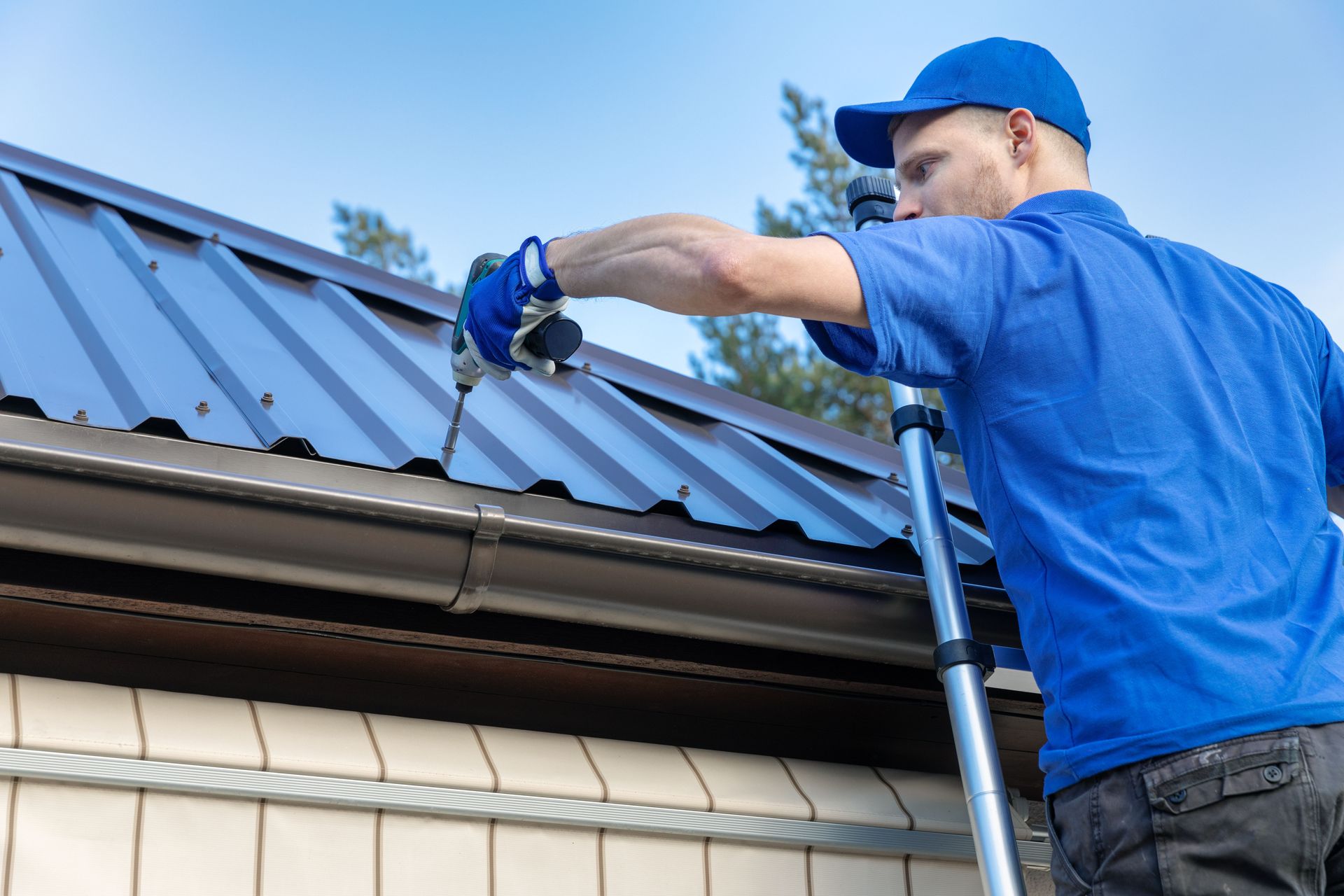
Roof maintenance remains an important consideration after solar panels are installed. Because the panels are mounted directly to the roof structure, routine inspections help ensure flashing and mounting points remain secure. Working with a roofing company familiar with solar installations can help protect the roof while addressing any maintenance needs that arise over time. This coordination ensures that both the solar system and roofing materials remain in excellent condition.
Cleaning panels occasionally may also improve efficiency, especially in areas where dust, pollen, or debris accumulate. Most systems require very little upkeep, but maintaining clear surfaces allows the panels to capture sunlight more effectively. With proper care and routine monitoring, solar systems can provide reliable energy production for many years.
One of the most important factors in a successful installation is ensuring the roof structure remains secure and capable of supporting the solar system. Working with experienced professionals, including a trusted roofing company, helps protect your home while maximizing the performance of your solar investment. Proper planning and professional installation allow homeowners to enjoy the advantages of solar energy with confidence. For more information about the services that we offer, reach out to our incredible team at Senger Roofing LLC today!