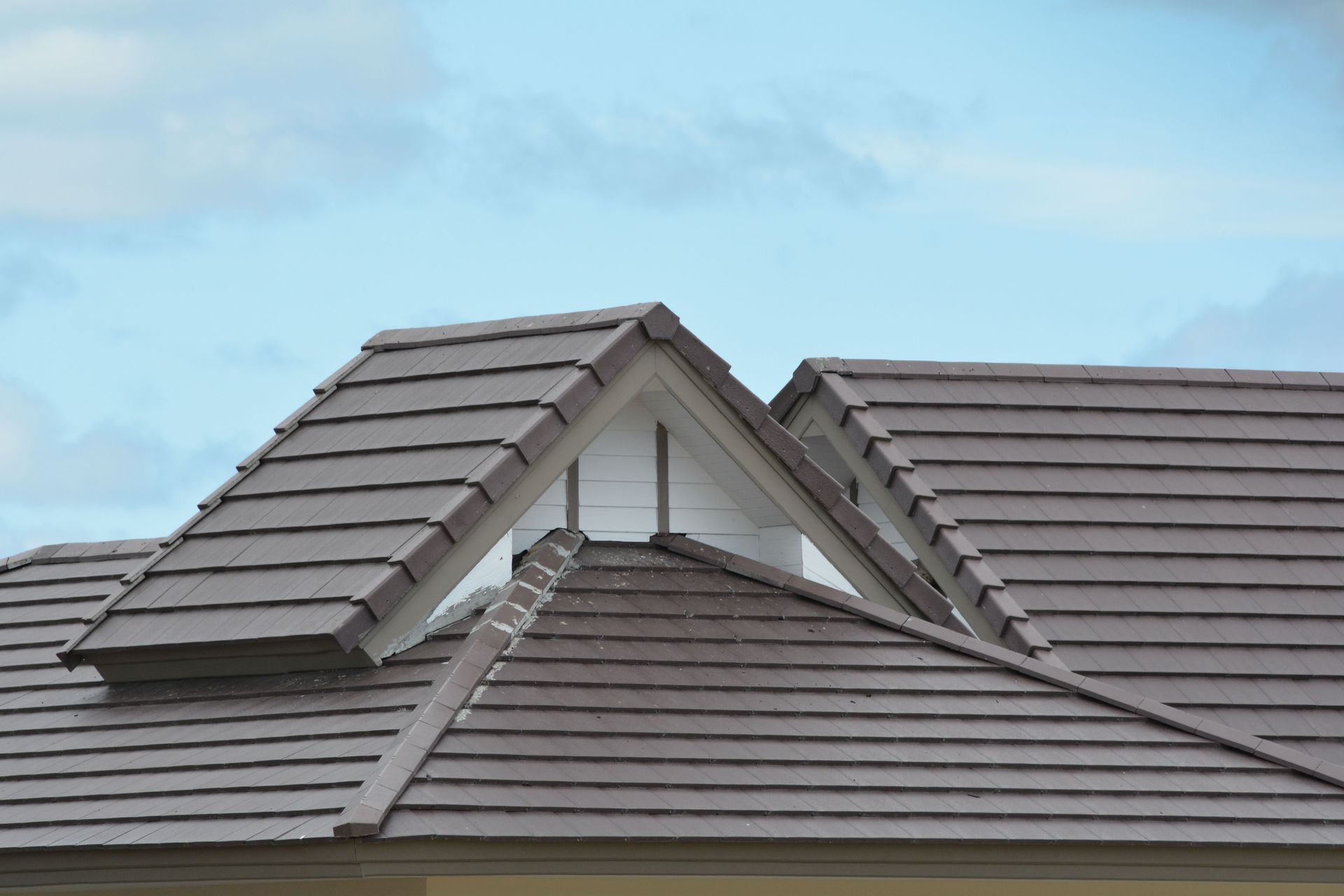
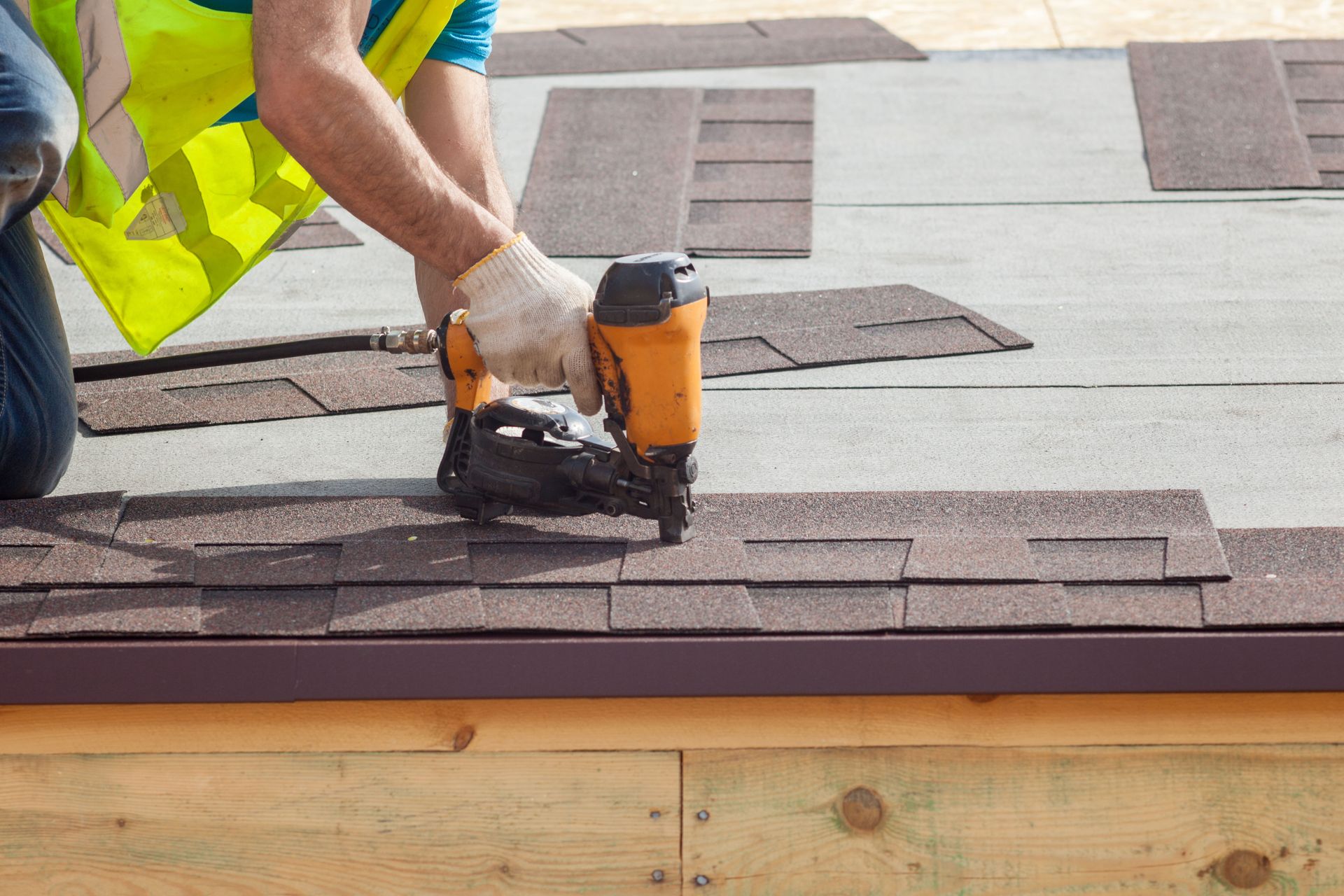
The shelter standing between an interior space and harsh external elements requires consistent attention. A durable roof dictates the safety and comfort of occupants inside a residence. Various weather conditions inflict wear on exterior surfaces over recurring seasons. A professional roofing company possesses the specialized expertise required to manage this ongoing deterioration. Contacting specialists transitions property management from reactive repairs to proactive care. Such an approach prevents minor surface issues from escalating into severe disasters. Overlooking regular upkeep invites inevitable complications. Homeowners neglect roofs until a visible water leak penetrates the interior ceilings. By this advanced stage, unchecked infiltration causes extensive wood rot and hazardous mold growth. Utilizing trained experts to handle proactive care secures the fundamental structural integrity of a building. Routine interventions preserve the physical components of the house. Prioritizing scheduled maintenance ensures the shelter continues performing its protective function without fail. Preventing Structural Damage With Routine Assessments The fundamental purpose of proactive care involves identifying hidden vulnerabilities before they manifest as severe failures. Small cracks and missing shingles create immediate entry points for intrusive moisture. Unchecked water travels along rafters and insulation, weakening the internal framework of the residence. Without early intervention, continual moisture exposure rots support beams and degrades foundational supports. A professional evaluation spots these subtle compromises in the exterior shield before damage spreads. Trained professionals arrive equipped to detect hidden flaws that escape an untrained observer. An experienced roofing company brings diagnostic tools to locate trapped moisture beneath surface layers. Dedicated specialists trace minor interior stains back to their exact source. Correcting a small seam gap prevents a subsequent downpour from causing widespread devastation. Such precision prevents isolated anomalies from threatening the stability of the entire structure. Experts stress the paramount importance of regular evaluations to maintain a strong barrier against harsh elements. According to This Old House, your roof should be inspected one time per year or after any major weather event. Adhering to this maintenance cadence catches minor wear caused by changing seasons. Severe storms displace overlapping materials and loosen crucial metal flashing. Prompt assessments guarantee these vulnerable components remain intact and functional. Proactive care creates a valuable, documented history of the structure's condition over successive seasons. Trained specialists keep records of vulnerable areas requiring future observation and potential reinforcement. This ongoing documentation helps property owners predict when specific sections might require enhanced support. Tracking distinct wear patterns enables owners to replace compromised shingles before severe storms arrive. Maintaining this structural history forms the sturdy cornerstone of effective property management. Minimizing Financial Burdens With Early Interventions Reactive repairs generate immense monetary stress for property owners. Allowing minor damage to fester guarantees a massive repair bill when the system fails. A small leak ignored during dry seasons transforms into a massive deluge during heavy rainfalls. The cost to replace soaked drywall and ruined insulation far exceeds the price of a simple patch. Proactive measures act as a strong financial shield against exorbitant emergency fees. Contacting a competent roofing company shifts expenses from unpredictable surges to manageable maintenance budgets. Property owners face fewer surprise bills when experts resolve small issues during planned visits. Replacing a few wind-damaged shingles costs a fraction of installing a new deck. Scheduled upkeep stabilizes the financial obligations associated with homeownership. This predictable approach keeps renovation budgets balanced and secure. Insurance policies favor homeowners demonstrating a commitment to routine upkeep. Claims adjusters look for concrete evidence of ongoing maintenance when processing storm damage requests. Prolonged neglect gives insurers legitimate grounds to deny coverage for preventable water infiltration. Documented professional care proves the property owner took appropriate steps to mitigate known risks. Keeping the roof in pristine condition secures optimal outcomes during insurance evaluations. The financial benefits of upkeep extend beyond avoiding disaster remediation costs. Well-maintained properties experience better energy efficiency throughout varying seasons. Compromised barriers allow conditioned indoor air to escape through unsealed spaces. This escaping air forces heating and cooling systems to work harder, increasing monthly utility bills. Sealing hidden gaps and ensuring proper ventilation keeps total energy consumption low. Extending Material Longevity With Proper Upkeep Exterior materials possess a finite lifespan dictated by environmental exposure and consistent care. Asphalt, metal, and tile surfaces endure constant bombardment from solar radiation and freezing precipitation. Unchecked algae growth accelerates the rapid deterioration of these outer layers. Debris accumulation traps destructive moisture against sensitive material seams. Removing these common hazards ensures the building materials reach their maximum potential duration. Every component of the overhead structural system demands specific attention to function at peak capacity. Metal flashing around exhaust vents requires particular focus to prevent premature seal failure. Chemical sealants degrade under ultraviolet light and require periodic replenishment to remain effective. Without this attention, vulnerable transition areas fail long before primary shingles degrade. Proper care maintains the integrity of the entire interconnected system. Hiring a proficient roofing company guarantees proper handling of delicate exterior building materials. Novices attempting to clear accumulated debris cause accidental damage to aging shingles. Foot traffic in incorrect areas cracks heavy tiles and dislodges protective granules. Trained specialists navigate the steep slopes with specific techniques designed to preserve physical elements. Their precise expertise safeguards the sensitive surface from unintended harm during routine tasks. Consistent maintenance pushes the inevitable need for full system replacement deep into the distant future. Maximizing the functional lifespan of existing materials reduces environmental waste and lessens the demand for new manufacturing. Property owners maximize their initial investment by wringing every possible season out of the current installation. Extending this duration requires the meticulous care that dedicated professionals provide. Maintaining Property Value With Consistent Evaluations The exterior physical condition of a residence dictates its overall market appeal. Prospective buyers scrutinize the roof during their initial property tours. A well-maintained exterior signals that the current owner prioritized meticulous care throughout the residence. Conversely, visible surface wear and missing shingles deter potential offers and drive down the final asking price. A pristine exterior secures the financial worth of the property. Using a reputable roofing company ensures the house passes intense real estate appraisals. Professional inspectors flag degraded exterior components as major liabilities during sales transactions. These documented red flags force sellers to make frantic price concessions or fund last-minute replacements. Proactive care eliminates these stressful hurdles and streamlines the eventual transfer of ownership. A documented history of expert maintenance becomes a strong selling feature. Neighborhood aesthetics benefit from properties demonstrating high standards of exterior care. A decaying roof creates a visible eyesore that impacts the surrounding community. Homeowners' associations mandate specific levels of ongoing upkeep to protect communal property values. Staying ahead of surface deterioration keeps the residence in strict compliance with local neighborhood standards. This steadfast commitment elevates the status of the entire residential street. The overarching goal of proactive attention centers on long-term value retention for the property owner. Properties subject to rigorous upkeep command premium prices in competitive real estate markets. Educated buyers recognize the benefit of acquiring a home free from immediate exterior concerns. The steady investment made in routine checks yields substantial financial returns during a future sale. Protecting this valuable asset requires a steadfast commitment to professional care. The approach to exterior shelter care requires a fundamental shift in perspective. Waiting for visible material failures exposes properties to severe structural damage and massive financial burdens. Utilizing a dedicated roofing company provides the expertise to spot minor flaws before they escalate. Consistent upkeep protects underlying structural integrity, stabilizes household budgets, and extends the lifespan of critical building materials. Prioritizing routine structural assessments demonstrates a profound commitment to property management. The roof demands respect and continuous attention. Homeowners secure their investment and ensure a safe living environment by embracing proactive measures. A sound exterior maintenance strategy guarantees lasting stability and safety for the entire residence. As your local roofing company , we at Senger Roofing LLC are dedicated to helping you shift from reactive repairs to proactive care. Contact us today to schedule your evaluation and secure the long-term structural integrity of your home.

Working with experienced professionals, including a trusted roofing company, helps protect your home while maximizing the performance of your solar investment.
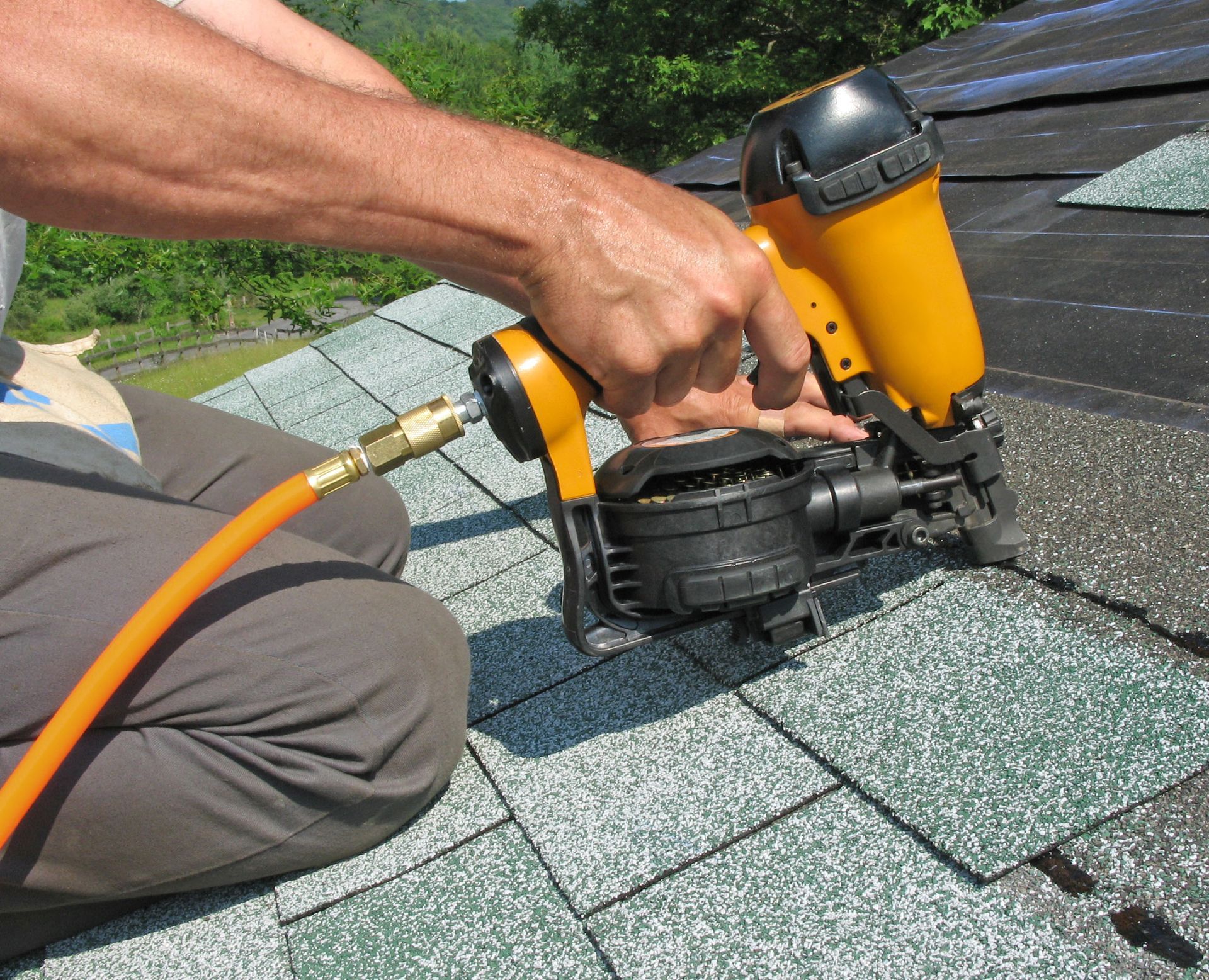
Explore durable roofing options like rubber, metal, and shingles. Learn how a professional roofing company helps homeowners choose long-lasting protection.